

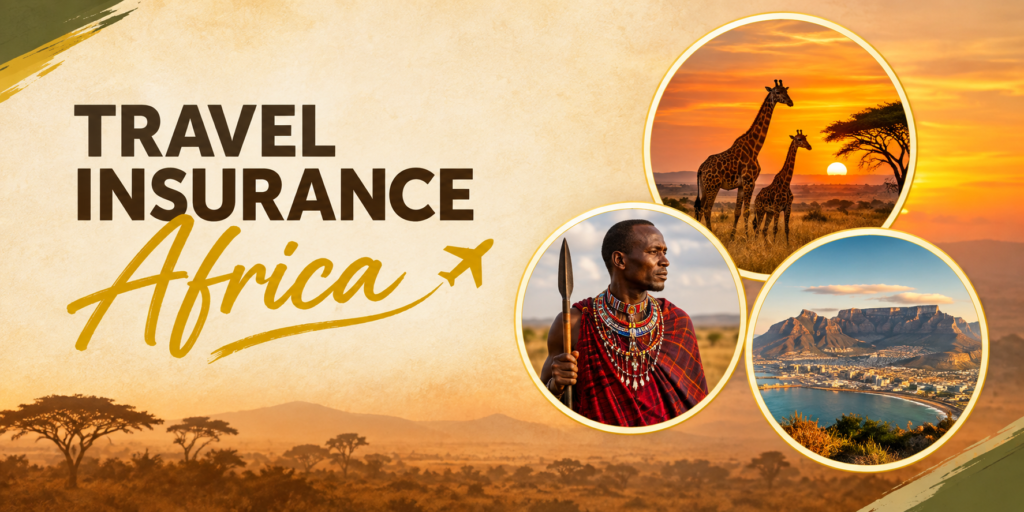
An African safari is a bucket-list trip but it’s also one of the more logistically complex vacations you can take. You’re often flying into remote airstrips, traveling through multiple countries, relying on small charter planes, and spending days far from the nearest hospital. That combination makes travel insurance less of an afterthought and more of an essential part of your planning.
Here’s what to actually look for.
Why Safari Trips Need Specialized Coverage
Standard travel insurance policies are built with a fairly generic trip in mind: a beach resort, a city tour, a cruise. Safaris break a lot of those assumptions:
- Remote medical care. If you get sick or injured in the Serengeti or the Okavango Delta, the nearest real hospital could be hours away by bush plane. You need coverage that includes medical evacuation, not just medical treatment.
- Expensive, non-refundable bookings. Safari lodges and guided tours often require large deposits months in advance, with strict cancellation windows.
- Gear and gadgets. Camera equipment, binoculars, and drones are common safari cargo, and airline baggage handling in smaller regional airports isn’t always gentle.
- Adventure activities. Optional add-ons like hot air balloon rides, walking safaris, or gorilla trekking sometimes fall outside “standard” coverage and need to be explicitly included.
- Health and vaccination requirements. Many safari destinations require or recommend yellow fever vaccination and antimalarial precautions, and some policies have exclusions tied to these.
What to Look for in Travel Insurance for an African Safari
When comparing travel insurance for African safari trips specifically, prioritize these features:
1. Emergency Medical Evacuation (High Coverage Limits)
This is the single most important line item. Look for at least $100,000–$250,000 in medical evacuation coverage. Many safari lodges in Kenya, Tanzania, Botswana, and South Africa work with regional evacuation services (like AMREF Flying Doctors), and some policies specifically list this as a benefit.
2. Trip Cancellation and Interruption
Given how far in advance safaris are booked (and how non-refundable deposits usually are), look for “cancel for any reason” (CFAR) upgrades or at least a solid list of covered cancellation reasons illness, weather, airline strikes, etc.
3. Baggage and Gear Protection
If you’re bringing camera gear, make sure the policy either has a high enough per-item limit or allows you to schedule expensive items individually.
4. Coverage for Adventure Add-Ons
If your itinerary includes gorilla trekking, hot air balloon safaris, bush walks, or white-water rafting (common near Victoria Falls), confirm these aren’t excluded as “hazardous activities.”
5. 24/7 Multilingual Assistance Line
When something goes wrong in a remote area, having a live assistance team that can coordinate evacuation, translate, and liaise with local providers matters more than almost any other feature.
6. Multi-Country Coverage
Many safaris cross borders Kenya to Tanzania, or a Botswana-Zimbabwe-Zambia loop. Confirm your policy covers all countries on your itinerary, not just your primary destination.
Easiest Travel Insurance Companies for African Safari Trips
If you want something straightforward rather than a maze of add-ons, a few providers are consistently mentioned by safari travelers for being simple to buy, easy to understand, and reliable when it comes to claims:
- World Nomads: Popular for adventure travel generally; easy online purchase, covers many “adventure” activities standard (some require an upgrade), and allows you to buy or extend coverage even after you’ve already started traveling.
- Allianz Travel Insurance: Well-known, straightforward tiered plans, strong medical evacuation limits on higher tiers, and a large global assistance network.
- Travelex Insurance Services: Simple comparison tools, clear plan tiers, and solid trip cancellation/interruption benefits.
- IMG (International Medical Group), iTravelInsure: Popular specifically for international and remote travel, with strong emergency evacuation options.
- Seven Corners: Frequently recommended for longer international trips and offers plans with high medical evacuation limits, a plus for remote safari itineraries.
A quick way to think about “easiest”: look for insurers with an instant online quote, a plain-English summary of benefits (not just a dense PDF), and a claims process that doesn’t require you to front tens of thousands of dollars before reimbursement.
A Simple Checklist Before You Buy
- Medical evacuation limit of at least $100,000
- Covers all countries on your itinerary
- Includes or allows adding adventure activities you’ve planned
- Trip cancellation matches the value of your deposits
- Baggage/gear coverage fits your equipment value
- 24/7 assistance line confirmed
- Read the exclusions section: especially around remote-area care and civil unrest
Bottom Line
For a trip as remote, expensive, and logistically unique as an African safari, don’t just grab the cheapest policy on a comparison site. Focus on medical evacuation limits first, then work backward through cancellation coverage, gear protection, and activity add-ons. A little extra research here means that if something does go wrong in the bush, you’re not the one figuring out logistics from a satellite phone.
Looking for more inspiration before planning your Kenya safari? Explore these helpful guides for practical ideas, itinerary options, and trip-planning tips:
- Explore Affordable Kenya Safari Packages – Discover a selection of safari options to help you find an itinerary that fits your travel plans and budget.
- Discover Late-Summer Diani Beach Safari Itineraries – Planning a beach-and-safari getaway? Explore these Diani Beach itineraries and make the most of Kenya’s late-summer travel season.