

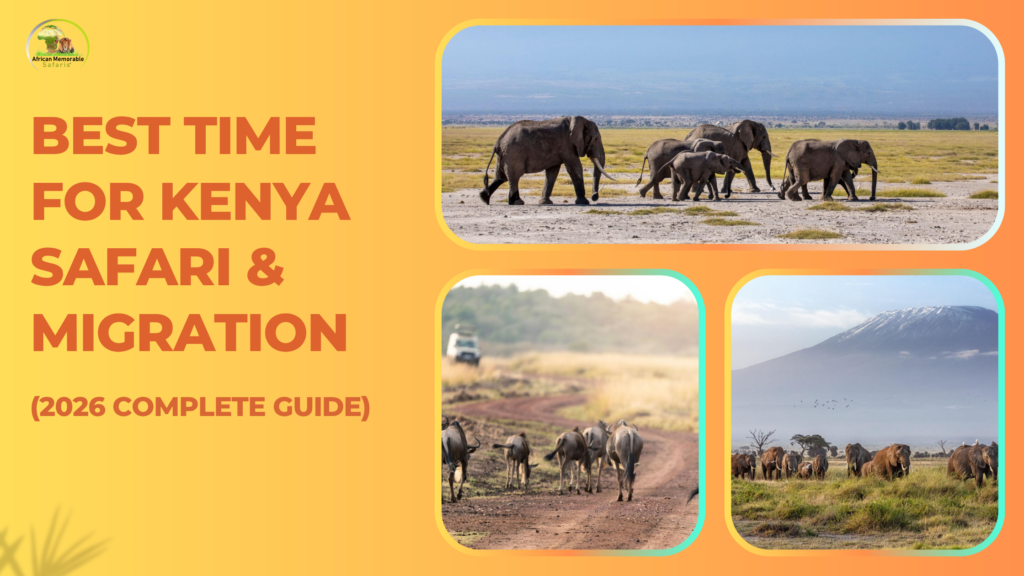
Planning a safari in Kenya often revolves around one key question: when is the best time to visit? Wildlife travelers from around the world aim to witness the Great Wildebeest Migration, one of the most spectacular natural events on Earth. However, Kenya offers unique safari experiences throughout the year, and each season comes with its own advantages.
This guide explores the best time for the wildebeest migration 2026, breaks down monthly travel conditions, and explains when to visit depending on weather, wildlife movement, and travel preferences. Whether you’re planning your first safari or returning for a specific experience, this seasonal guide will help you make the right decision.
Understanding the Great Wildebeest Migration
The Great Wildebeest Migration is a year‑round movement of over 1.5 million wildebeest, along with zebras and gazelles, across the Serengeti-Mara ecosystem. The migration follows rainfall patterns, meaning animals move continuously in search of fresh grazing land.
Key highlights of the migration include:
- River crossings filled with dramatic predator action
- Massive herds stretching across the plains
- Lion, leopard, and cheetah sightings
- Excellent wildlife photography opportunities
For travelers focusing specifically on Kenya, the most popular time is when herds enter the Masai Mara from Tanzania.
Best Time for Wildebeest Migration 2026
The best time for wildebeest migration 2026 in Kenya is expected between July and October, when the herds typically move into the Masai Mara. During this period, wildlife density increases dramatically, making it one of the most sought-after safari seasons.
Peak Migration Months
- July: Herds begin arriving in the Masai Mara
- August: Peak river crossings
- September: Large herds spread across the plains
- October: Migration begins moving south again
August is often considered the most dramatic month due to Mara River crossings, though wildlife sightings remain excellent throughout the season.
Best Time to Visit Masai Mara for Wildebeest Migration
Travelers often ask about the best time to visit masai mara for wildebeest migration. While July to October is ideal, each month offers a slightly different experience.
July – Early Migration Season
- Herds begin arriving
- Fewer crowds compared to August
- Good predator activity
- Pleasant weather
August – Peak Migration
- Major river crossings
- Highest wildlife density
- Excellent photography opportunities
- Peak tourist season
September – Balanced Experience
- Large herds still present
- Slightly fewer crowds
- Comfortable temperatures
- Great game viewing
October – Late Migration
- Herds start moving south
- Good wildlife sightings
- Lower accommodation rates
Choosing the right month depends on whether you prioritize dramatic river crossings or fewer crowds.
Combining Safari with Coastal Travel
Many travelers combine migration safaris with Kenya’s coastline. This allows you to experience both wildlife and relaxation in one trip. Coastal departures are convenient for travelers already staying at beach destinations.
Travelers staying at coastal resorts often choose a safari from Diani Beach for easy access to national parks. Others prefer quick fly-in options using Mombasa air safari packages, which reduce travel time and maximize game viewing.
Kenya Safari in June Weather Guide
Many travelers consider visiting before peak migration. A kenya safari in June weather guide helps determine if this month suits your travel plans.
June marks the beginning of the dry season. The landscape is still green from recent rains, and wildlife viewing gradually improves as vegetation thins.
Key highlights of June safari:
- Cooler temperatures
- Fewer tourists
- Lower safari prices
- Excellent bird watching
- Good predator sightings
June is ideal for travelers seeking quieter safaris before peak migration crowds arrive.
Kenya Safari in August Travel Guide
A kenya safari in august travel guide is essential for travelers aiming to witness peak migration action. August is considered the most popular safari month in Kenya.
Why August is popular:
- Peak river crossings
- Massive wildebeest herds
- Dry weather conditions
- Excellent wildlife visibility
Things to consider:
- Higher accommodation prices
- Increased tourist numbers
- Early booking required
Despite higher demand, August offers one of the most rewarding safari experiences in Africa.
Rainy Season Safari Kenya Pros and Cons
While many travelers aim for dry season safaris, understanding rainy season safari kenya pros and cons can help you decide if off-season travel suits you.
Pros of Rainy Season Safari
- Fewer tourists
- Lower accommodation rates
- Lush green landscapes
- Excellent bird watching
- Good photography lighting
Cons of Rainy Season Safari
- Possible road conditions challenges
- Wildlife harder to spot due to thick vegetation
- Occasional flight delays
- Some camps may close
The rainy season typically occurs from March to May and again briefly in November. Budget travelers often benefit from reduced prices during this period.
Month-by-Month Kenya Safari Guide
January – February
- Warm and dry
- Excellent wildlife viewing
- Good photography conditions
March – May
- Long rainy season
- Lush landscapes
- Lower safari prices
June
- Start of dry season
- Fewer crowds
- Great for early travel
July – October
- Peak migration season
- Best wildlife viewing
- High demand
November – December
- Short rains
- Good bird watching
- Mixed wildlife viewing
Best Time Based on Travel Preferences
For Migration Viewing
July to October is ideal.
For Fewer Crowds
June and September are great choices.
For Budget Travelers
March to May offers lower prices.
For Photography
August and September provide excellent conditions.
Final Thoughts: Choosing the Best Time for Kenya Safari
Choosing the right safari season depends on your priorities. If your goal is to witness the best time for wildebeest migration 2026, plan your trip between July and October. Travelers seeking fewer crowds may prefer June or September, while budget-conscious visitors may benefit from the rainy season.
Combining migration viewing with coastal experiences such as a safari from Diani Beach or convenient Mombasa air safari packages can enhance your overall journey. With proper planning, Kenya offers unforgettable wildlife encounters throughout the year.
For expertly planned itineraries and seasonal guidance, exploring professional Kenya safari tours can help you maximize your experience and choose the perfect travel window.
FAQs
What is the best time for wildebeest migration 2026?
July to October is expected to be the best period in Kenya, with peak river crossings in August.
What is the best time to visit Masai Mara for wildebeest migration?
August and September offer the highest wildlife density and dramatic river crossings.
Is June a good time for Kenya safari?
Yes, June offers fewer crowds, cooler weather, and good wildlife viewing.
Is August the best month for Kenya safari?
August is one of the best months due to peak migration activity.
What are rainy season safari Kenya pros and cons?
Pros include lower prices and lush scenery, while cons include occasional rain and limited wildlife visibility.
Can I combine a migration safari with a beach holiday?
Yes, many travelers combine safari with coastal destinations for a balanced itinerary.